Wondering whether you need a major renovation before listing your Pleasantville home? In most cases, you do not. What buyers want here is a home that feels well cared for, easy to understand, and ready to enjoy, especially in a village where charm, commute convenience, and lifestyle all shape demand. If you’re getting ready to sell, a smart prep plan can help you show your home at its best without wasting time or money. Let’s dive in.
Understand what Pleasantville buyers notice
Pleasantville is a small, owner-occupied village with a strong sense of stability. Census data shows a 75.5% owner-occupancy rate and 92.4% of residents living in the same home one year earlier, which tells you many buyers are looking for a place they can settle into, not just pass through.
Location also matters. Pleasantville sits about 31 miles north of Grand Central Terminal and has a Metro-North Harlem Line station with Bee-Line connections, so many buyers will pay attention to commute ease, parking flow, and how daily life feels from your front door.
The village also presents as more than a commuter stop. Its public information highlights services, schools, fine arts, dining, and community experiences, which means buyers often respond to homes that support both convenience and lifestyle.
At the same time, Pleasantville has an older housing stock. A village demographic snapshot found that 37.0% of homes were built in 1939 or earlier, so buyers are often balancing character with condition. That makes visible maintenance, clean presentation, and sensible updates especially important.
Focus on high-impact prep first
If you are deciding where to spend your energy, start with the basics that buyers notice right away. National staging guidance points to cleaning, decluttering, repairing, depersonalizing, and light updating as the most useful forms of preparation.
That approach fits Pleasantville well. In a market with character homes and quick-moving buyers, polished presentation often does more than expensive last-minute projects.
According to Realtor.com, Pleasantville is currently described as a seller’s market, with a March 2026 median listing price of $807,000, median days on market of 29, and a sale-to-list ratio of 103%. That means buyers may move quickly, but they are still comparing condition, layout, and how move-in ready each home feels.
Start with decluttering and cleaning
This is the lowest-drama, highest-value place to begin. NAR reports that the most common recommendations to sellers are decluttering, cleaning the entire home, and improving curb appeal.
When you declutter, rooms feel bigger and easier to walk through. When you deep clean, buyers stop wondering what has been overlooked. Even small details like clear counters, clean baseboards, and sparkling windows can change the feel of a showing.
Try to remove bulky furniture where possible. NAR also recommends making rooms easier to navigate, which can help older Pleasantville homes feel more open and functional.
Depersonalize without stripping the home
You want buyers to picture themselves in the space. That usually means packing away highly personal photos, bold collections, and anything that distracts from the room itself.
That does not mean making your home cold or empty. It means editing so the home’s best features stand out, whether that is original millwork, a sunny breakfast area, or a practical mudroom that supports everyday life.
Make light repairs before listing
Small unfinished items can create outsized doubt. A dripping faucet, chipped trim, loose railing, or sticky door may seem minor to you, but buyers often read them as signs that bigger maintenance issues could exist.
Before you list, walk through your home with fresh eyes and note anything broken, worn, or obviously overdue. In Pleasantville, where many homes have age and character, visible upkeep helps reassure buyers that the home has been cared for over time.
Prioritize the rooms that matter most
Not every room needs the same level of attention. NAR’s 2025 staging snapshot found that the living room, primary bedroom, dining room, and kitchen are the most commonly staged spaces, with the living room rated as the most important room to stage.
If your time or budget is limited, focus there first. Those rooms often shape a buyer’s first impression of how the home lives day to day.
Living room
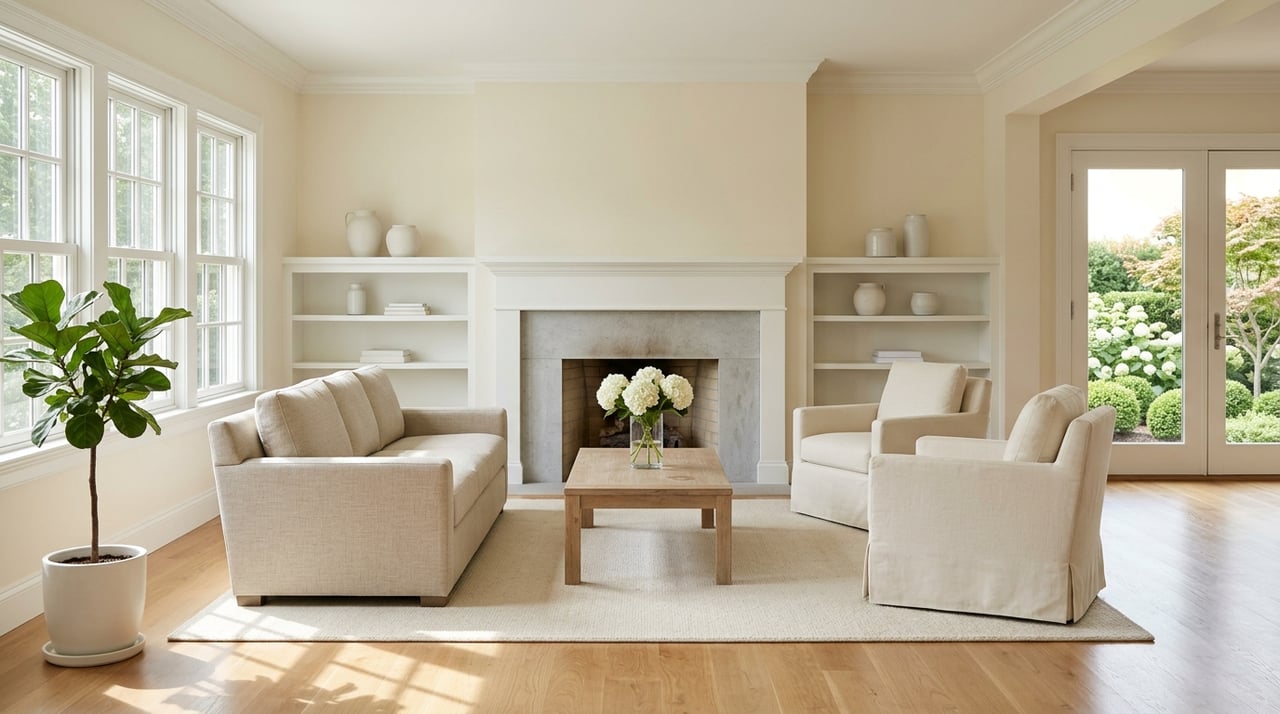
Your living room should feel open, comfortable, and easy to understand. Pull furniture away from walls if needed, simplify accessories, and create a clear conversation area.
If the room has good natural light, make sure window treatments are open and glass is clean. Buyers place a high value on photos, and bright, well-composed living spaces tend to read better both online and in person.
Primary bedroom
The primary bedroom should feel calm and spacious. Neutral bedding, fewer personal items, and clear surfaces go a long way.
If the room is tight, remove extra chairs, storage pieces, or oversized nightstands. The goal is not to make it look fancy. The goal is to make it feel restful and functional.
Kitchen
You do not need a full kitchen remodel to sell well. In many cases, a clean, edited, bright kitchen performs better than a costly update done in a rush.
Clear countertops as much as possible, replace burned-out bulbs, clean grout and appliance fronts, and remove anything that makes the space feel busy. If paint or cabinet touch-ups are needed, keeping them simple and neutral is usually the safer move.
Dining room
Whether your dining room is formal, casual, or part of an open layout, help buyers understand its purpose. A simple table setting, fewer furniture pieces, and a clean sightline can make the room feel more usable.
This matters in Pleasantville, where buyers are often thinking about both everyday routines and hosting family or friends. A room that feels flexible is often more appealing than one that feels overly styled.
Improve curb appeal carefully
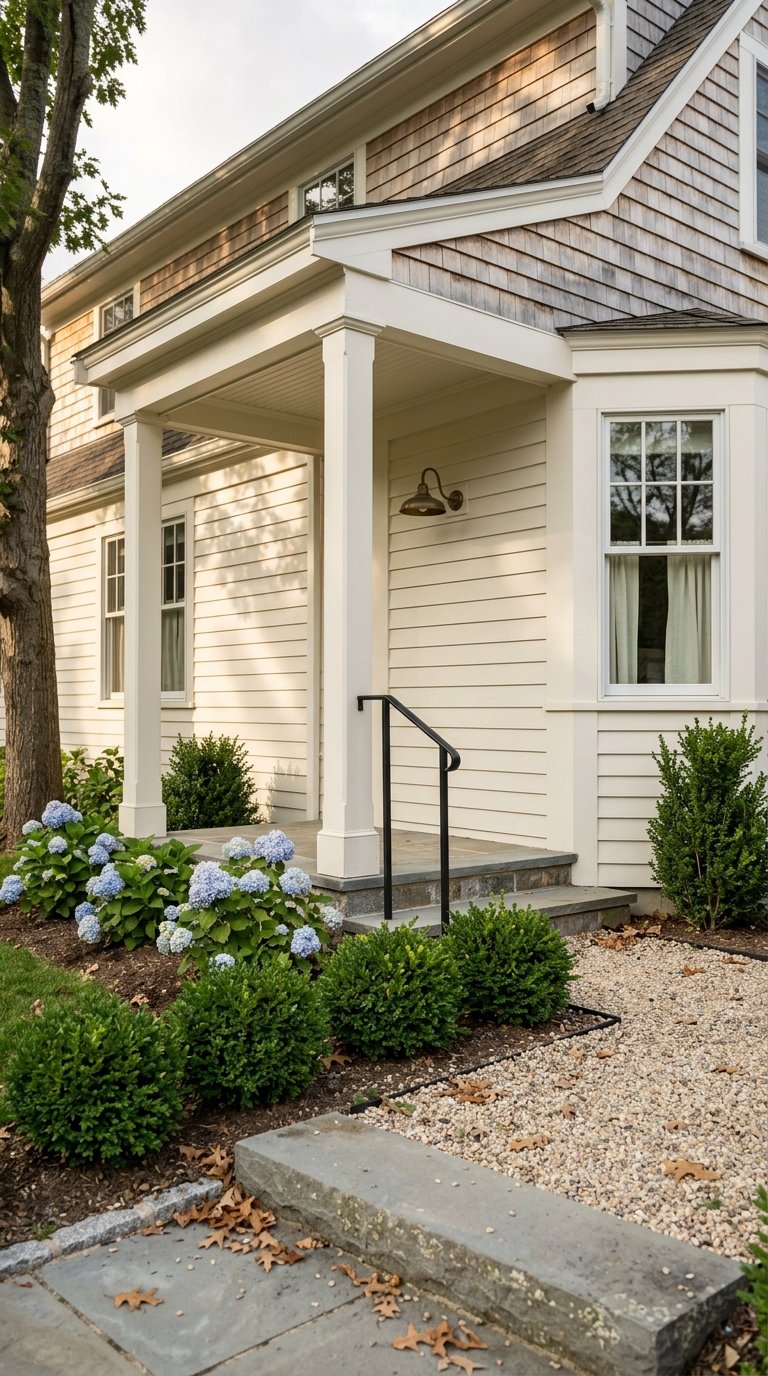
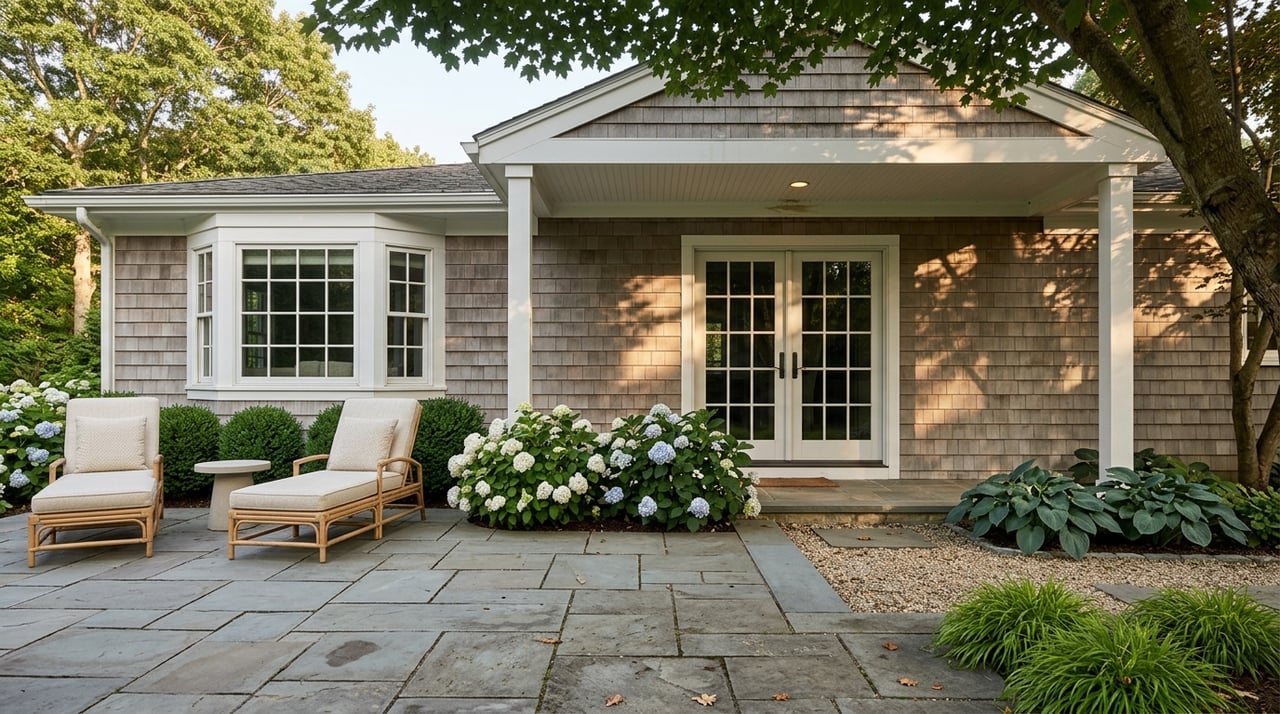
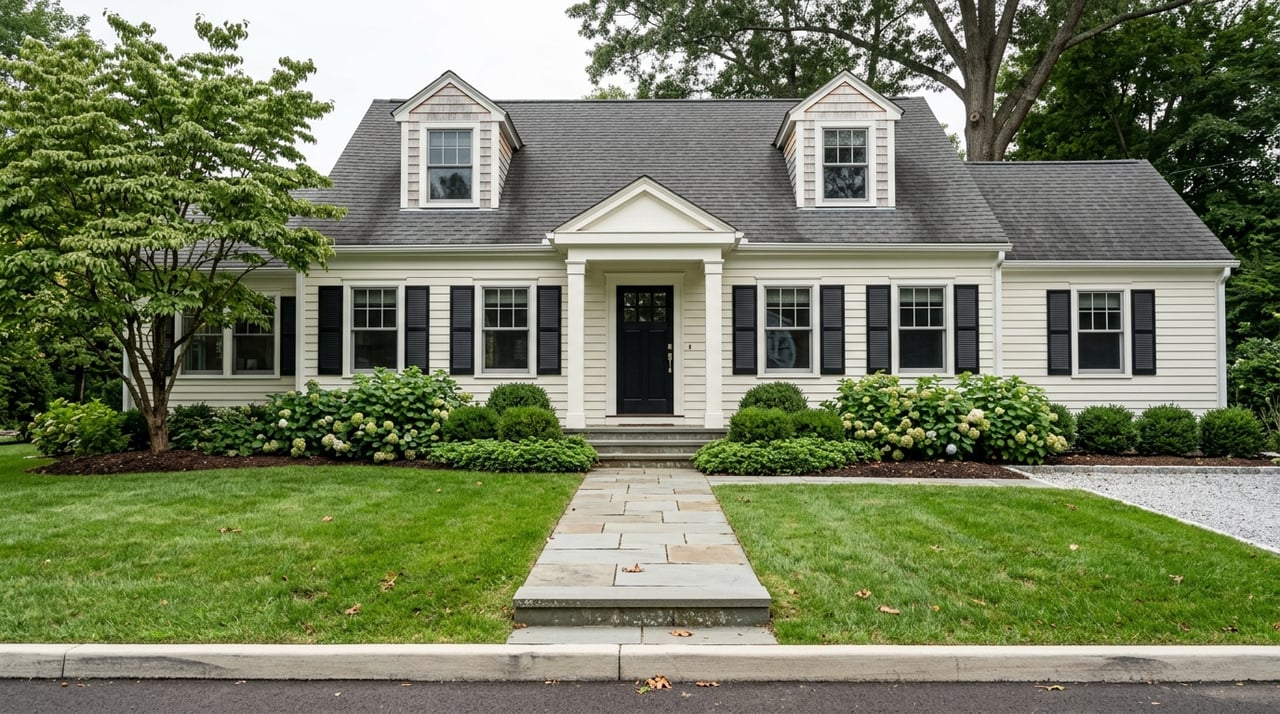
First impressions start before buyers open the door. NAR identifies curb appeal as one of the most common seller prep recommendations, and in a village known for mature trees, classic homes, and walkable residential streets, exterior presentation matters.
Focus on clean, well-kept basics. Sweep paths, tidy plantings, refresh mulch if needed, trim overgrowth, and make sure the entry feels welcoming and maintained.
Be careful with last-minute exterior changes, though. In Pleasantville, certain exterior work in the Special Character Overlay District may require Architectural Review Board approval before work begins, including some changes to paint, finishes, windows and doors, roofing, and fencing.
If you are thinking about doing more than simple maintenance, check first. The wrong pre-sale project can create delays instead of value.
Check permits and paperwork early
This is one of the most important steps for Pleasantville sellers. The Village Building Department oversees additions and renovations, issues permits, performs inspections, and issues certificates of occupancy.
The village states that permits are required before most structural, mechanical, enlargement, or repair work, including decks, pools, signs, and fuel tanks. If work was done without the right approvals, it can become an issue during the transaction.
The village also specifically warns that decks built without required permits can show up in a title search and delay a sale. In some cases, unpermitted work may need to be legalized.
Your pre-list paperwork checklist
Before your home goes live, it is wise to:
- Confirm permit history for additions, renovations, decks, pools, and other major work
- Verify certificate-of-occupancy history where applicable
- Review whether past exterior work was completed legally
- Gather records for completed improvements if you have them
- Resolve questions before buyers and attorneys are involved
This step may not be glamorous, but it can save a great deal of stress later.
Time your launch and showings strategically
A well-prepared home deserves thoughtful timing. Realtor.com’s 2026 Best Time to Sell report points to April 13 through 19 as the ideal national listing window, with historically stronger prices, more views, less competition, and faster sales than January listings.
That does not mean every Pleasantville seller should wait until spring. It does mean you should work backward from your target date so the home is fully ready before photography, marketing, and showings begin.
Photos are especially important. NAR reports that buyers place high importance on listing photos, along with videos and virtual tours, which means your home should be truly photo-ready before the photographer arrives.
Plan around village rhythm
Pleasantville has an active public calendar with village meetings, recreation events, planning meetings, and senior center activities. If you are scheduling exterior work, photography, or an open house, it can help to avoid days when parking or noise may be heavier than usual.
Because Pleasantville is also a commuter village on the Harlem Line, weekday timing matters. In practical terms, showings and photo sessions often go more smoothly when they avoid rush-hour peaks and line up with the home’s best natural light.
Spend selectively, not emotionally
It is easy to overspend when you are preparing to sell. But the data suggests that targeted prep usually makes more sense than broad remodeling.
NAR’s 2025 report puts the median cost of professional staging at $1,500, compared with $500 when the seller’s agent handled staging. Combined with Pleasantville’s current seller-market conditions, that supports a measured approach: clean up what exists, make strategic updates, and invest where buyers will actually notice.
NAR also found that 83% of buyers’ agents said staging made it easier for buyers to visualize the home as their future home. In the same research, 29% of agents said staging increased the dollar value offered by 1% to 10%, while 49% said it reduced time on market.
That does not mean every home needs full professional staging. It does mean presentation has real value, especially in the rooms that drive first impressions online and in person.
A smart Pleasantville prep plan
If you want a simple way to think about it, focus on clarity, condition, and timing. Buyers should be able to see what the home offers, feel confident it has been maintained, and experience it at its best.
For many Pleasantville sellers, the strongest path is not doing more. It is doing the right things in the right order. Clean thoroughly, edit thoughtfully, repair what is visible, confirm your paperwork, and launch only when the home is ready.
Selling well in Pleasantville is part market knowledge and part presentation. If you want thoughtful advice on what is worth doing before you list, Maura McSpedon can help you create a prep plan that fits your home, your timeline, and your goals.
FAQs
What should Pleasantville sellers do before listing a home?
- Start with decluttering, deep cleaning, light repairs, depersonalizing, and checking permit and certificate-of-occupancy history for past work.
Which rooms matter most when preparing a Pleasantville home to sell?
- The living room, primary bedroom, dining room, and kitchen deserve the most attention because they are the spaces buyers tend to notice and compare most closely.
Do Pleasantville homeowners need permits for past deck or renovation work?
- The village requires permits for many types of structural, mechanical, enlargement, or repair work, and unpermitted deck work can delay a sale if it appears during title review.
Is Pleasantville a good market for sellers right now?
- Current market data describes Pleasantville as a seller’s market, with a median days on market of 29 and a sale-to-list ratio of 103%.
When is the best time to list a Pleasantville home for sale?
- Spring can be a strong window, and Realtor.com’s 2026 report identifies April 13 through 19 as the ideal national listing period, but the best timing still depends on when your home is fully ready for photos and showings.