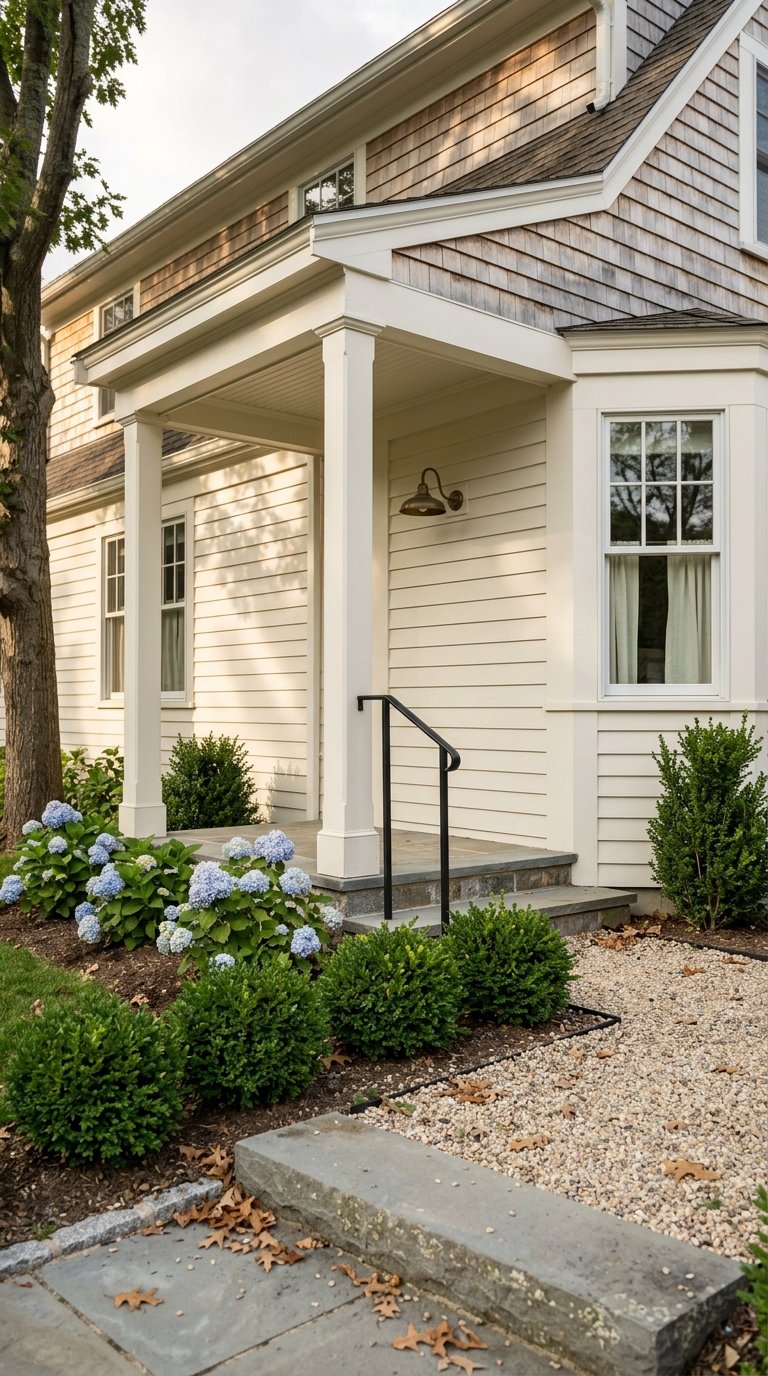
If you want a Westchester village that feels creative, connected, and genuinely lived-in, Hastings-on-Hudson deserves a close look. You may be searching for a place with an easy commute, real walkability, and daily life that feels a little more inspiring than the usual suburb. This village offers a rare mix of river views, historic character, arts energy, and a compact downtown that supports everyday convenience. Let’s dive in.
Why Hastings-on-Hudson Stands Out
Hastings-on-Hudson is a small Hudson River village in Westchester County, about 20 miles north of Midtown Manhattan. It covers roughly two square miles, with the Hudson River on one side and the Saw Mill River on the other. That compact footprint helps explain why the village feels intimate and easy to navigate.
The village had a population of 8,590 in 2020, with an estimated 8,440 residents in 2025. Even with its close-in location, Hastings keeps a true small-town feel. Village planning materials highlight panoramic Hudson and Palisades views, historic architecture, and tree-lined corridors that give the area a strong sense of place.
Downtown Feels Local and Walkable
A big part of Hastings’ appeal is how much life centers around downtown. Warburton Avenue and Main Street form the village core, where the atmosphere is lively without feeling rushed. The mix of locally owned shops and restaurants gives the downtown an independent, layered feel that many buyers are looking for.
This is the kind of place you can walk through instead of simply driving past. That matters when you are choosing not just a home, but a lifestyle. In Hastings, daily errands, a coffee stop, or a casual dinner can feel built into the rhythm of the village.
A Creative Identity With Real Roots
Hastings-on-Hudson is not trying to manufacture an arts scene. Its creative identity runs deep. The village draft comprehensive plan notes that Hastings has long attracted artists and writers, which helps explain why the local culture feels organic rather than staged.
RiverArts is one of the clearest examples of that tradition. Founded in Hastings in 1963, the organization says its programs and performances now reach more than 20,000 people each year. Its calendar includes figure-drawing sessions, music events, student showcases, dance programming, chamber music, and summer arts camps, often using village spaces like the public library and Village Hall Gallery.
For buyers who want more than a pretty setting, this matters. A place with recurring arts programming, public events, and active community spaces often feels more connected day to day. In Hastings, the creative energy seems woven into village life rather than limited to an occasional event.
Historic Character Adds Depth
Hastings also has a strong historic-art connection through the Newington-Cropsey Foundation. The foundation preserves and displays the home and paintings of Hudson River School artist Jasper F. Cropsey and offers guided tours of Ever Rest and the Gallery of Art in the village. That gives Hastings a meaningful cultural anchor tied directly to the landscape that surrounds it.
The village history also includes nationally recognized historic resources such as the Cropsey House and Studio, the Hastings Prototype House, and the John William Draper House. For buyers, that history adds another layer to the housing story. It helps explain why the village often feels character-rich and visually distinct.
Outdoor Life Is Part of Everyday Living
For a village of its size, Hastings offers an impressive range of outdoor spaces. Westchester tourism materials point to 11 parks and fields in the village, along with strong access to the Old Croton Aqueduct Trailway. That trail is part of the Old Croton Aqueduct State Historic Park and runs 26 miles, supporting walking, biking, running, and even cross-country skiing.
This is one of the reasons Hastings feels so livable. You are not relying on one park or one waterfront overlook. Instead, you have a layered outdoor network that supports quick walks, longer weekend outings, and regular time outside close to home.
Riverfront Views Shape the Lifestyle
The Hudson River is not just background scenery here. It shapes the experience of living in Hastings. MacEachron Waterfront Park offers picnic areas, playground equipment, and views of the Palisades, while riverfront spots like Kinnally Cove are known for Hudson and skyline views.
That access can make a real difference in how a town feels. In Hastings, the riverfront supports the slower, low-key routines many buyers want, whether that means a walk after work, a weekend picnic, or simply spending more time outdoors without leaving the village.
Commuting Is Built Into Village Life
For many buyers, Hastings works because it balances charm with practicality. The Hastings-on-Hudson Metro-North station supports daily commuting with elevators, a ramp, tactile warning strips, audiovisual information systems, weekday restrooms, and Bee-Line bus connections. There is no ticket office, but there are two ticket machines in the overpass.
The Hudson Line ride to Grand Central is roughly 40 to 50 minutes. That commute is short enough to keep Manhattan within reach, but the station setting still feels very much part of the village. Even the presence of a small café nearby reinforces that commuting here feels integrated into local life rather than separate from it.
What Buyers Should Know About Housing
The housing market in Hastings-on-Hudson reflects the village’s location, identity, and limited supply. Census QuickFacts shows a median owner-occupied home value of $865,200, a median gross rent of $1,877, and 3,164 households with an average household size of 2.55 people. The owner-occupied housing rate is 79.8%.
The village’s draft comprehensive plan says single-family detached homes make up the majority of the housing stock. It also notes that about 34% of housing is in buildings with three or more units, with some downtown mixed-use and multi-family options available. That means the housing mix is broader than many people assume, even though single-family homes remain the dominant format.
Another important point is that Hastings is almost completely built out. The comprehensive plan also flags rising housing prices and property taxes as ongoing concerns. For buyers and sellers alike, that helps explain why inventory can feel tight and why features like train access, river views, and walkability often carry a premium.
Why Inventory Feels Competitive
In a village like Hastings, there is only so much room for new housing. Because the area is largely built out, buyers are often competing for existing homes with character, location advantages, or both. That can create a market where the most appealing properties move quickly.
If you are considering Hastings, it helps to be clear about your priorities early. Some buyers are focused on easy station access. Others care most about downtown walkability, river views, or a specific home style. Knowing your lifestyle goals can make your search more focused and less overwhelming.
The Real Appeal of Hastings
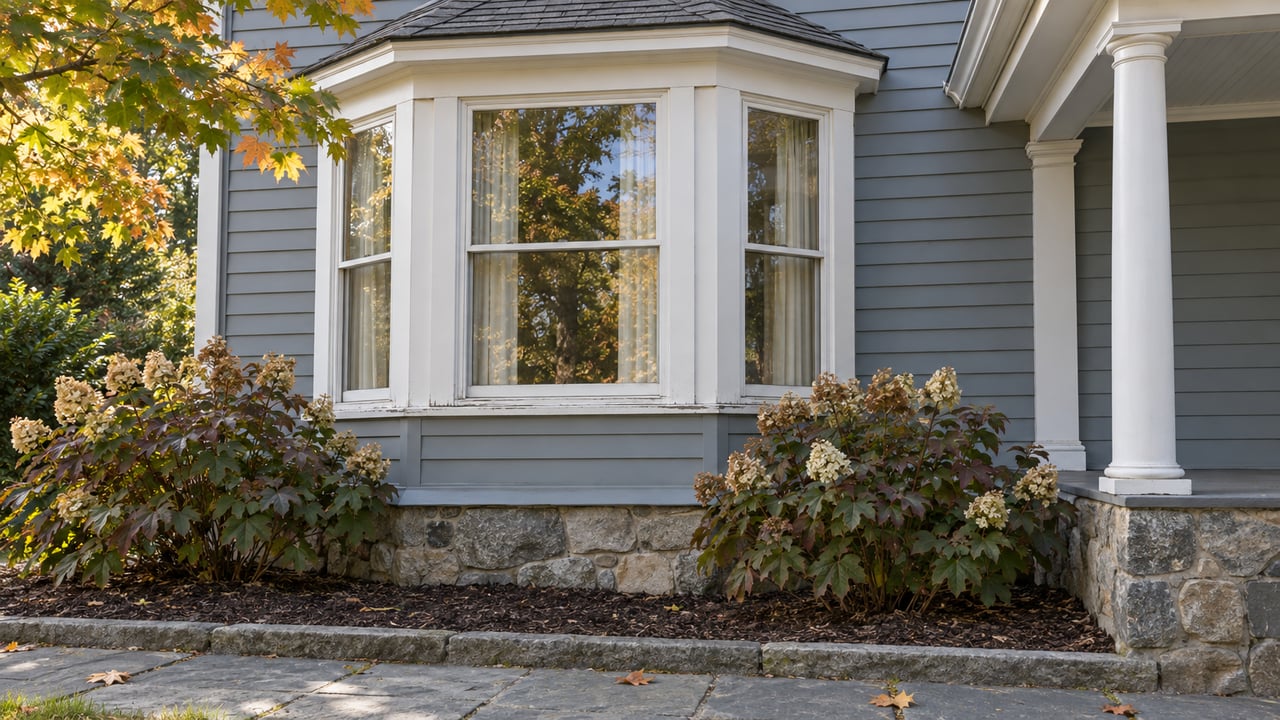
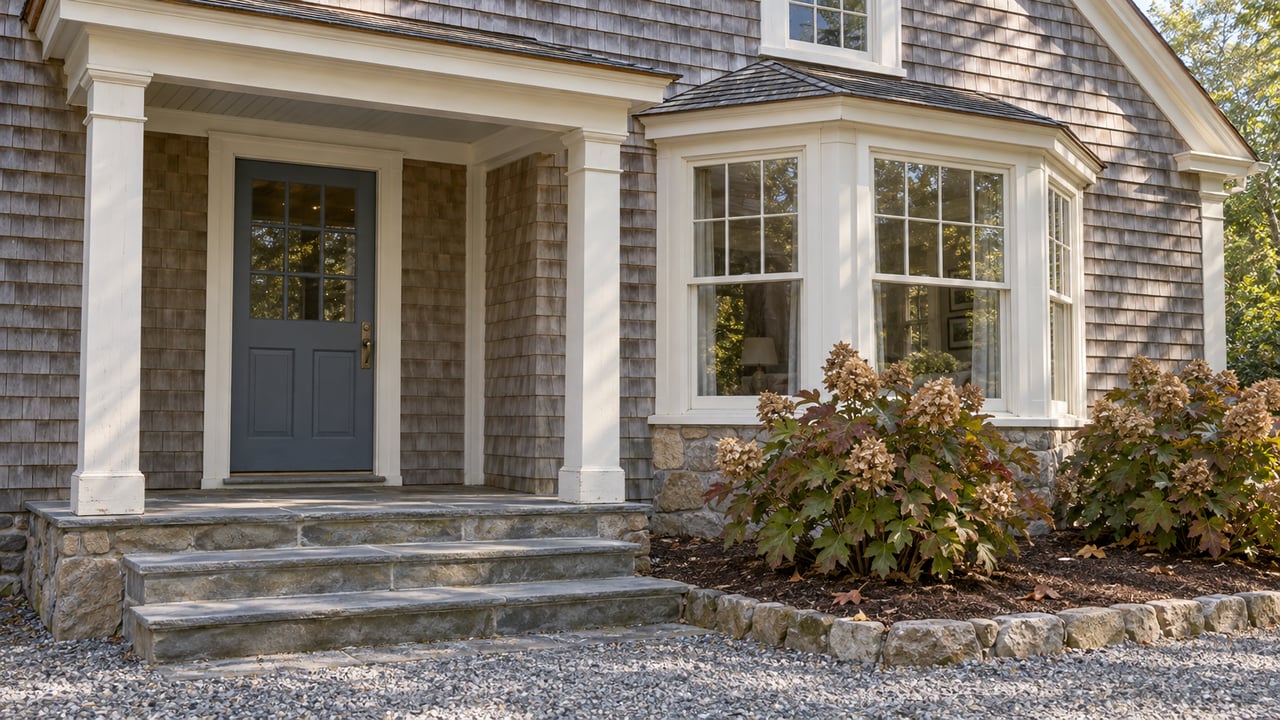
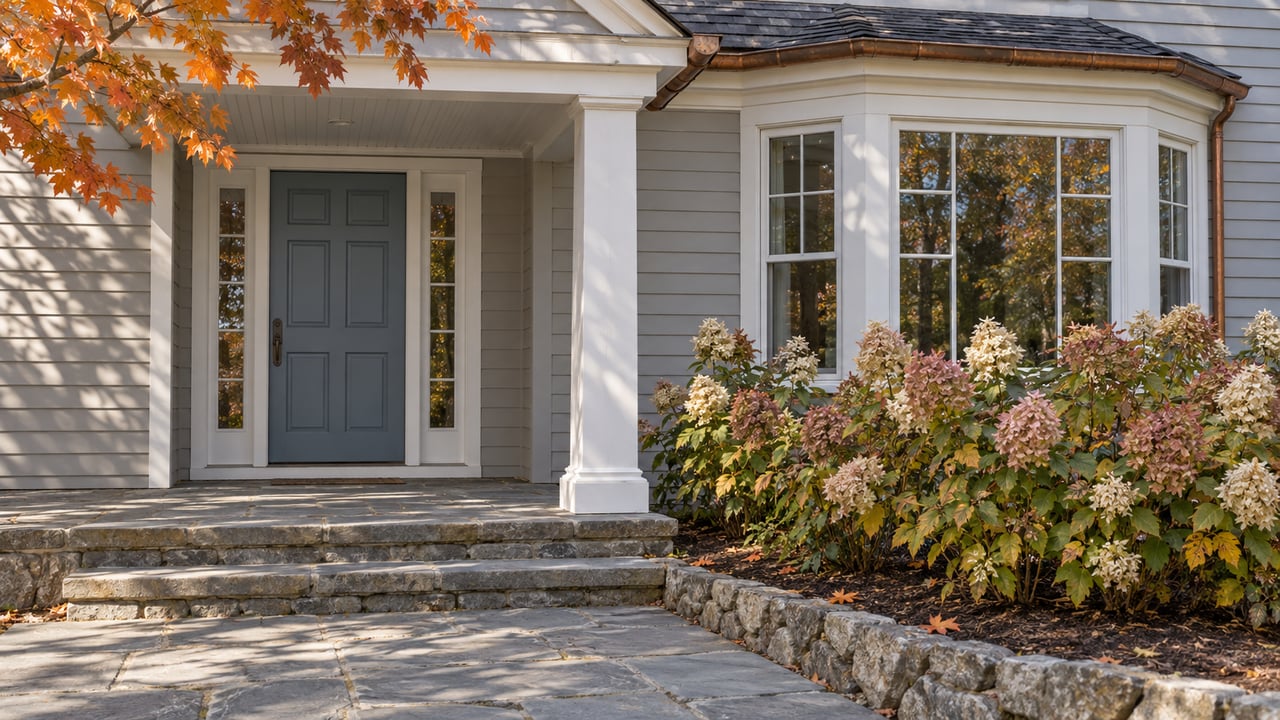
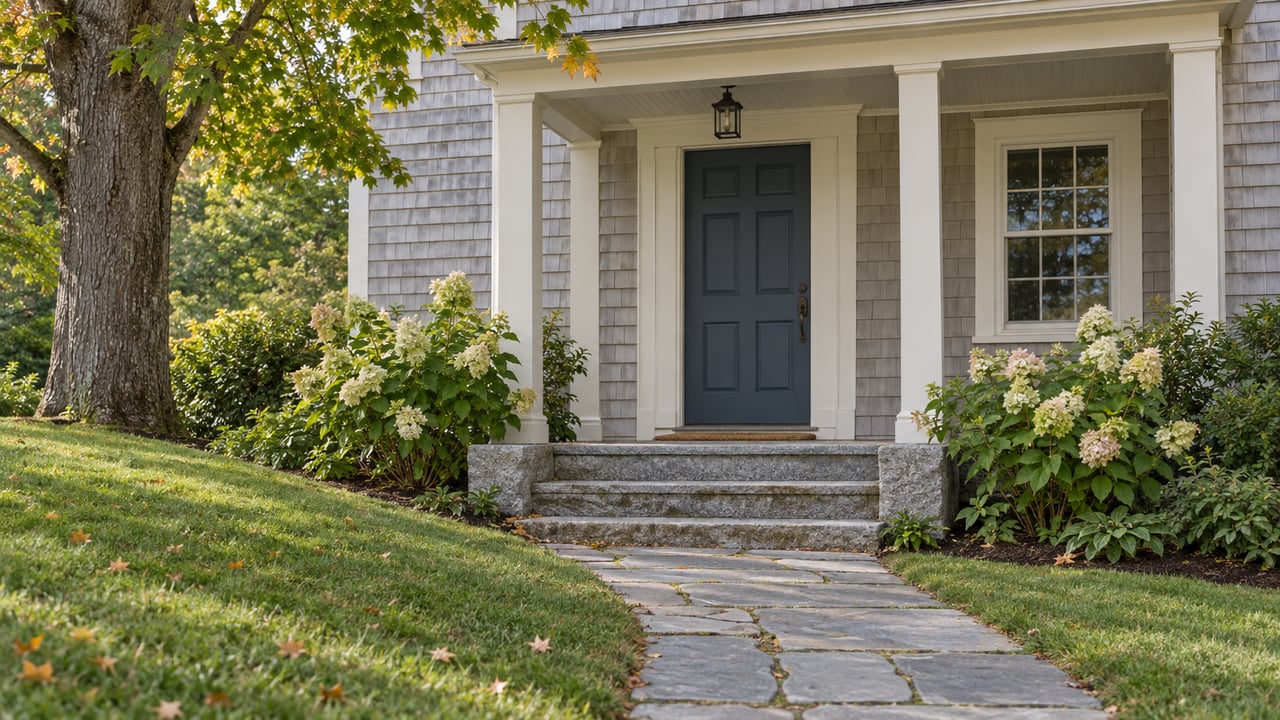
What makes Hastings-on-Hudson memorable is not one headline feature. It is the way several things come together at once: a scenic Hudson River setting, a truly walkable village center, a rooted arts culture, solid commuter access, and a housing stock with age and personality. That combination gives the village a calm confidence that is hard to replicate.
For some buyers, Hastings will feel like the right fit immediately. For others, it becomes more appealing the deeper they look. Either way, it stands out as a place where lifestyle and real estate are closely connected.
If you are thinking about buying or selling in Hastings-on-Hudson, having a local advisor who understands how village character, inventory constraints, and buyer priorities come together can make the process much smoother. Maura McSpedon brings thoughtful Westchester guidance, clear communication, and a practical understanding of what makes towns like Hastings so appealing.
FAQs
What is Hastings-on-Hudson known for?
- Hastings-on-Hudson is known for its Hudson River setting, walkable downtown, historic character, arts programming, and Metro-North access to Grand Central.
How far is Hastings-on-Hudson from Manhattan?
- Hastings-on-Hudson is about 20 miles north of Midtown Manhattan, and the Metro-North Hudson Line ride to Grand Central is roughly 40 to 50 minutes.
What is downtown Hastings-on-Hudson like?
- Downtown Hastings-on-Hudson centers around Warburton Avenue and Main Street, with locally owned shops and restaurants in a compact, walkable village setting.
What outdoor amenities does Hastings-on-Hudson offer?
- Hastings-on-Hudson offers 11 parks and fields, riverfront spaces like MacEachron Waterfront Park and Kinnally Cove, and access to the 26-mile Old Croton Aqueduct Trail.
What is the housing market like in Hastings-on-Hudson?
- Hastings-on-Hudson has a character-rich housing market with mostly single-family homes, some multi-family and mixed-use options, limited new inventory, and premium pricing tied to location and lifestyle features.
Is Hastings-on-Hudson a good fit for commuters?
- Hastings-on-Hudson can be a strong fit for commuters who want village living with Metro-North access, station accessibility features, Bee-Line bus connections, and a manageable trip to Grand Central.