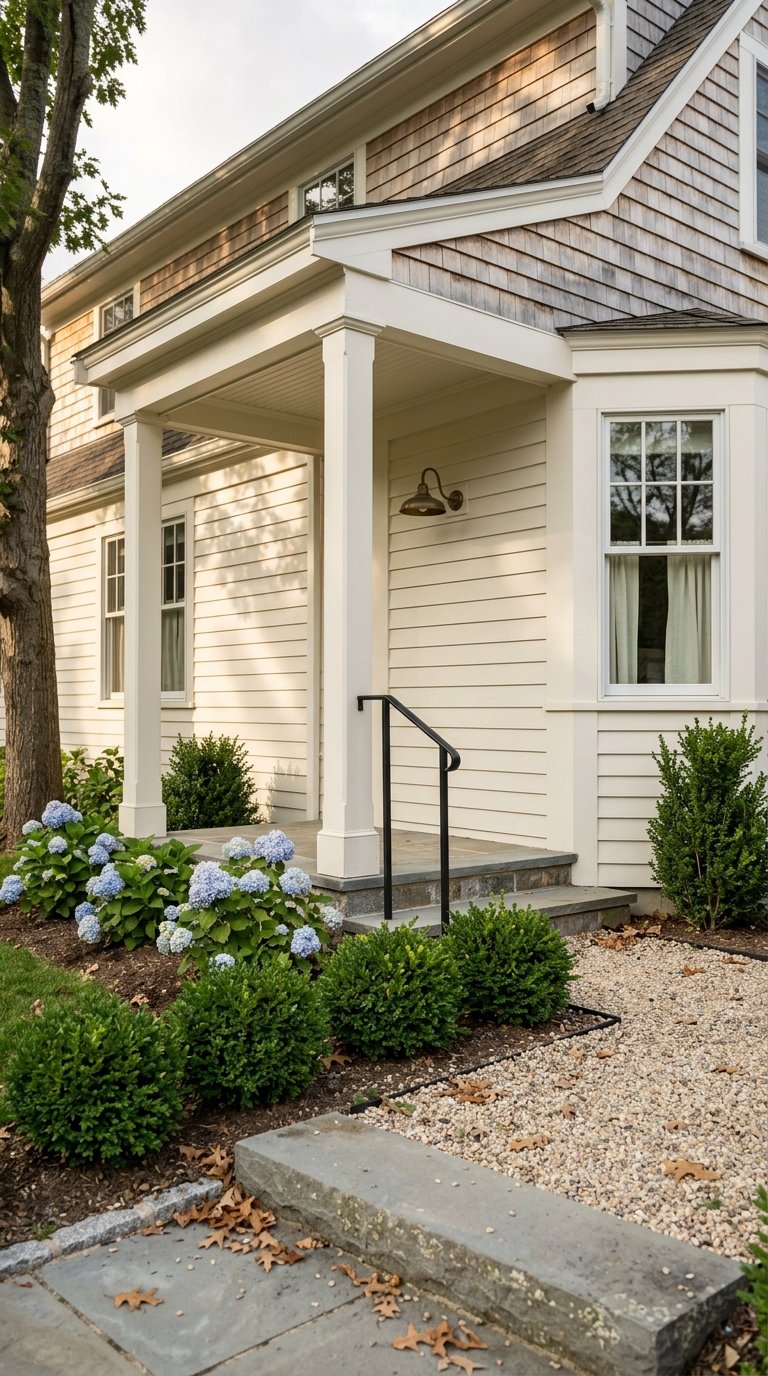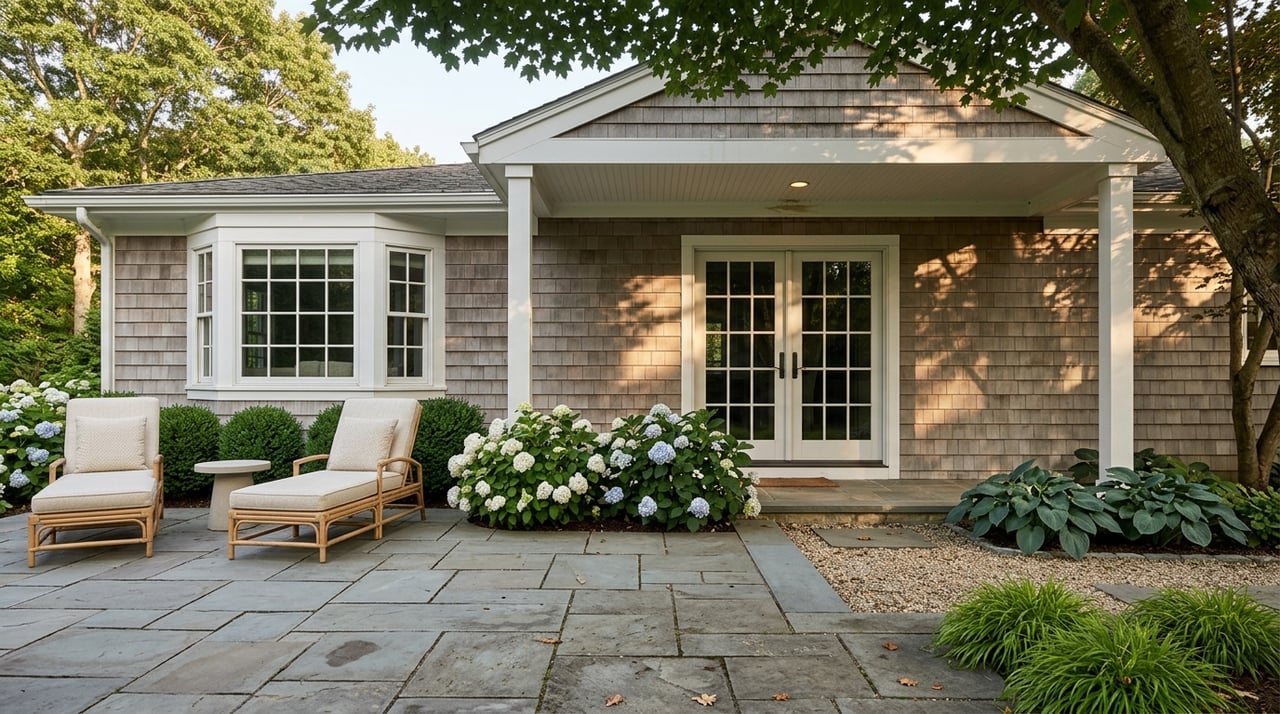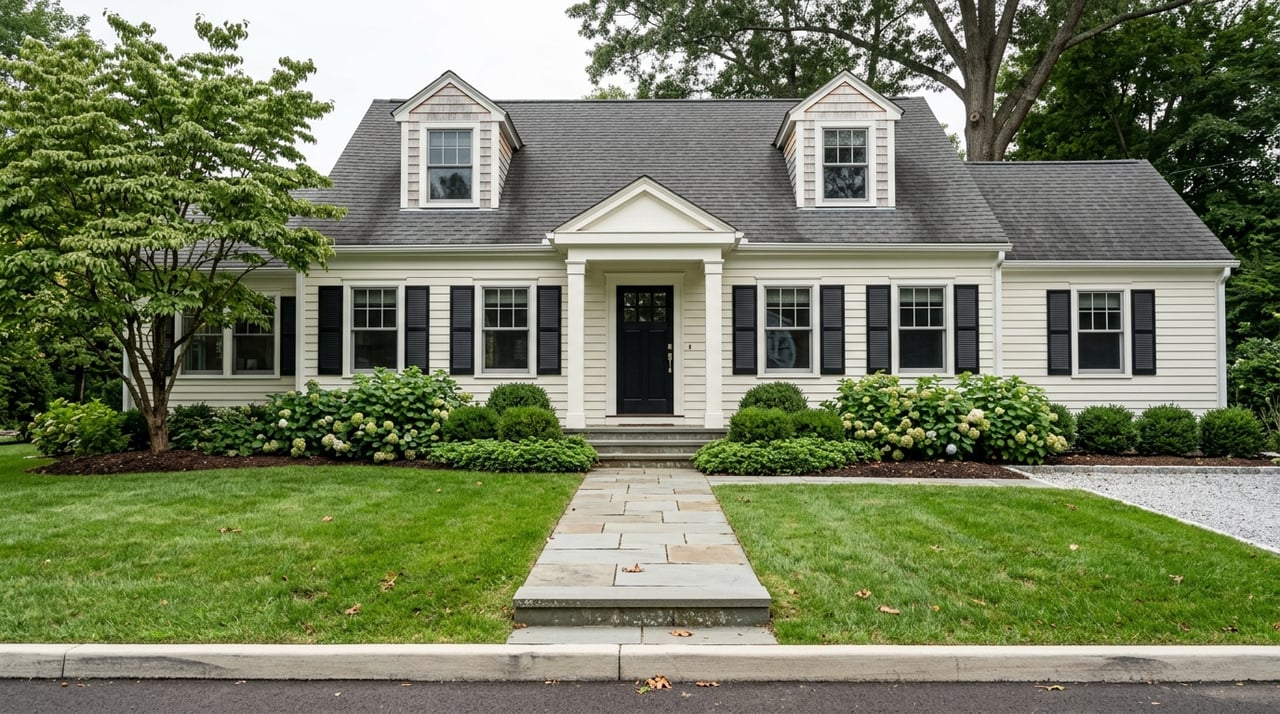
If you are trying to understand Chappaqua, here is the first thing to know: it is not a place that fits neatly into a few simple neighborhood labels. Buyers often arrive expecting a clear map of named sections, but Chappaqua works more like a set of distinct micro-markets, each with its own feel, housing mix, and price range. Once you understand those patterns, it becomes much easier to narrow your search and spot the right fit for your lifestyle and budget. Let’s dive in.
Why Chappaqua Feels Different
Chappaqua is one of the hamlets within the Town of New Castle, not a village with a long list of formally codified residential neighborhoods. Town planning materials focus more on corridors, project areas, and the hamlet center than on rigid neighborhood boundaries.
That matters when you are buying or selling. In practice, people usually compare Chappaqua by location pattern and home type: the walkable hamlet core, the historic Quaker Road area, larger-lot wooded streets, and a handful of attached-home communities. That framing is more accurate than trying to rank neighborhoods from best to worst.
The housing stock also helps explain the town’s character. Census and local planning data show that New Castle remains heavily owner-occupied, with 85.7% owner-occupied housing and about 85.5% of housing units classified as one-unit detached homes. In simple terms, detached single-family homes still define much of the Chappaqua market.
Hamlet Core Homes in Chappaqua
If you want the most walkable setting in Chappaqua, the hamlet core is where most buyers start. This area centers on King Street, North Greeley Avenue, South Greeley Avenue, and the Metro-North station, with nearby civic and community destinations such as Town Hall, the library, Bell Middle School, the Police Department, and the Senior Center.
From a housing perspective, this part of town tends to appeal to buyers who value convenience and a closer-to-town feel. You may see a mix of residential and mixed-use surroundings, along with homes that offer easier access to the station and central services than properties on larger wooded roads farther out.
This is also one of the clearest examples of why Chappaqua should be read as a collection of micro-markets. A home in or near the hamlet core can feel very different from a house on an estate-style road, even when both share the same Chappaqua address.
Quaker Road and Historic Homes
For buyers drawn to early architectural character, Quaker Road stands out. The New Castle Historical Society identifies an Old Quaker Village Historical District along Quaker Road that includes the Friends Meeting House and several late-18th- and early-19th-century homes.
This area connects closely to the town’s earliest settlement pattern, which gives it a different feel from newer streets or more estate-oriented sections. If you are looking for historic fabric and older homes with a stronger sense of original Chappaqua, this is the area many buyers focus on.
As with any older-home search, the key is to look beyond style alone. Condition, updates, layout, and lot characteristics can vary significantly from one property to the next, especially in areas with older housing stock.
Lawrence Farms East Home Styles
Lawrence Farms East is often associated with larger detached homes on more substantial parcels. Current market examples describe wooded, private, estate-like settings on roughly 1.5 to nearly 3 acres, with homes that include center-hall Colonials, Georgian Colonials, and rebuilt modern farmhouses.
For many buyers, this area represents a classic Chappaqua luxury pattern: more land, more separation between homes, and architecture that often leans formal and traditional. It is less about walkability and more about privacy, scale, and a residential setting shaped by mature trees and larger lots.
Price expectations in areas like this usually reflect more than the address alone. Lot size, renovation quality, age, and overall home style all play a major role in value.
Whippoorwill and Wooded Estate Streets
The Whippoorwill area shares some traits with Lawrence Farms East, but it often presents a slightly broader design mix. Current examples include classic Colonials, French-style estate homes, contemporary houses, and custom Shingle Style properties, often on wooded cul-de-sacs or lake-adjacent parcels.
The common theme here is privacy. Buyers who want a quieter, more tucked-away setting often compare these streets with other larger-lot areas rather than with in-town homes near the station.
This part of Chappaqua is a good reminder that the town is not defined by one architectural look. While Colonial homes are highly visible, the broader housing palette includes more variation than many first-time buyers expect.
Attached Homes and Condo Options
Although detached homes dominate Chappaqua, attached housing does have an important place in the market. These options are not spread evenly across town. Instead, they are concentrated in planned communities and newer development pockets.
Old Farm Lake is one of the main examples. A local condo and townhome source describes it as a 177-unit community of townhouses and garden-style condominiums on 48 acres. Chappaqua Crossing is another major attached-home pocket, with town data showing 91 townhomes and 64 apartments on the campus.
For buyers who want lower-maintenance living or a different entry point into Chappaqua, these communities can be worth a close look. Current examples in the broader market also show attached housing in places like Chestnut Oaks, which further expands the range of choices.
Most Common Chappaqua Home Styles
Many people think of Chappaqua as mostly Colonials, and there is truth to that. Colonials and Colonial Revival homes are among the most visible detached-home types, especially in areas like Lawrence Farms East, Whippoorwill, and newer construction pockets.
At the same time, Chappaqua’s planning documents describe a much broader architectural palette. The town identifies styles that include Colonial, Colonial Revival, Tudor Revival, Neo-Classical, Italianate, Adirondack/Craftsman, Gothic Revival, Greek Revival, Victorian Shingle, Beaux Arts, and Modern.
That does not mean every street has every style. It does mean buyers should expect more variety than a simple one-style label suggests.
Colonial and Colonial Revival
These are the most widely associated styles in Chappaqua. You will often see them in larger detached-home areas and in newer homes that draw on traditional forms.
Contemporary and Modern Farmhouse
Contemporary homes, modern homes, and modern farmhouses tend to appear more often on secluded lots, in custom builds, and in major renovation projects. These can offer a very different feel from older traditional homes, even when they sit in the same broader section of town.
Ranch and Expanded Ranch
Ranches are part of the local mix, though they are less dominant than larger detached Colonials and estate-style homes. Some have been expanded or significantly updated, which means style and layout can vary widely from one property to another.
Townhomes and Condos
Townhomes and condos are the clearest exception to the detached-home pattern. In Chappaqua, they are most visible in communities such as Old Farm Lake, Chestnut Oaks, and Chappaqua Crossing.
What Prices Look Like in Chappaqua
Chappaqua inventory has been tight, and that affects how buyers should think about options. Recent market snapshots from different sources show low active inventory and a broad pricing spread, but the safest overall takeaway is that supply is thin and pricing generally falls in the low-to-mid seven figures.
Reported figures vary by platform and timing. Recent snapshots show roughly 13 to 19 homes for sale, about 1.10 months of supply in one source, and listing or value measures ranging from about $1.297 million to $1.45 million, with a median sale price of $1.6 million reported by one source over the past 12 months.
The range in actual asking prices is just as important. Recent examples include a Chestnut Oaks condo listed at $510,000, a Chappaqua Crossing carriage home listed at $1.625 million, a newer hamlet-core home listed at $1.395 million, and larger Lawrence Farms East and Whippoorwill homes listed from roughly $2.35 million to $2.99 million.
How to Compare Chappaqua Areas
If you are trying to choose where to focus, it helps to compare Chappaqua by practical lifestyle questions instead of just neighborhood names.
Ask yourself:
- Do you want walkability near the station and town services?
- Do you prefer historic character and older homes?
- Are privacy, wooded lots, and more land your top priorities?
- Would a condo or townhome better match your maintenance preferences and budget?
- Are you open to multiple architectural styles, or do you strongly prefer one type of home?
Those answers usually point you toward the right micro-market faster than any broad label will. In Chappaqua, the best fit often comes from matching your daily routine and housing priorities to the right section of town.
Why Local Guidance Matters
Because Chappaqua has several distinct micro-markets, small differences can have a big effect on value and fit. Two homes with similar square footage may offer very different experiences depending on lot size, setting, proximity to the hamlet core, and whether the home is a detached house, carriage home, condo, or townhouse.
That is why buyers and sellers benefit from clear, local context. Understanding how Chappaqua’s housing patterns actually work can help you price more accurately, search more efficiently, and make better decisions with less stress.
If you are thinking about buying or selling in Chappaqua, working with a local advisor who understands both the numbers and the feel of each pocket can make the process much smoother. If you want thoughtful guidance on Chappaqua and the surrounding Westchester market, connect with Maura McSpedon.
FAQs
What are the main neighborhood areas buyers compare in Chappaqua?
- Buyers usually compare the walkable hamlet core, the historic Quaker Road area, larger-lot wooded sections like Lawrence Farms East and Whippoorwill, and attached-home communities such as Old Farm Lake and Chappaqua Crossing.
What home styles are most common in Chappaqua?
- Colonial and Colonial Revival homes are the most visible detached-home styles, but Chappaqua also includes Tudor Revival, Victorian Shingle, Craftsman, Modern, ranch, condo, and townhome options.
Are most homes in Chappaqua single-family houses?
- Yes. Census and local planning data indicate that owner occupancy is high and that about 85.5% of housing units in New Castle are one-unit detached homes.
Are there condos and townhomes in Chappaqua?
- Yes. Attached homes are available, especially in communities like Old Farm Lake, Chestnut Oaks, and Chappaqua Crossing.
What is the price range for homes in Chappaqua?
- The market shows a wide spread, from attached homes around the low six figures to detached homes in the multi-million-dollar range, with many listings and value measures falling in the low-to-mid seven figures.
Is Chappaqua one formally divided set of neighborhoods?
- Not exactly. Chappaqua is best understood as a hamlet with several micro-markets rather than a place defined by a long list of formally codified residential neighborhoods.